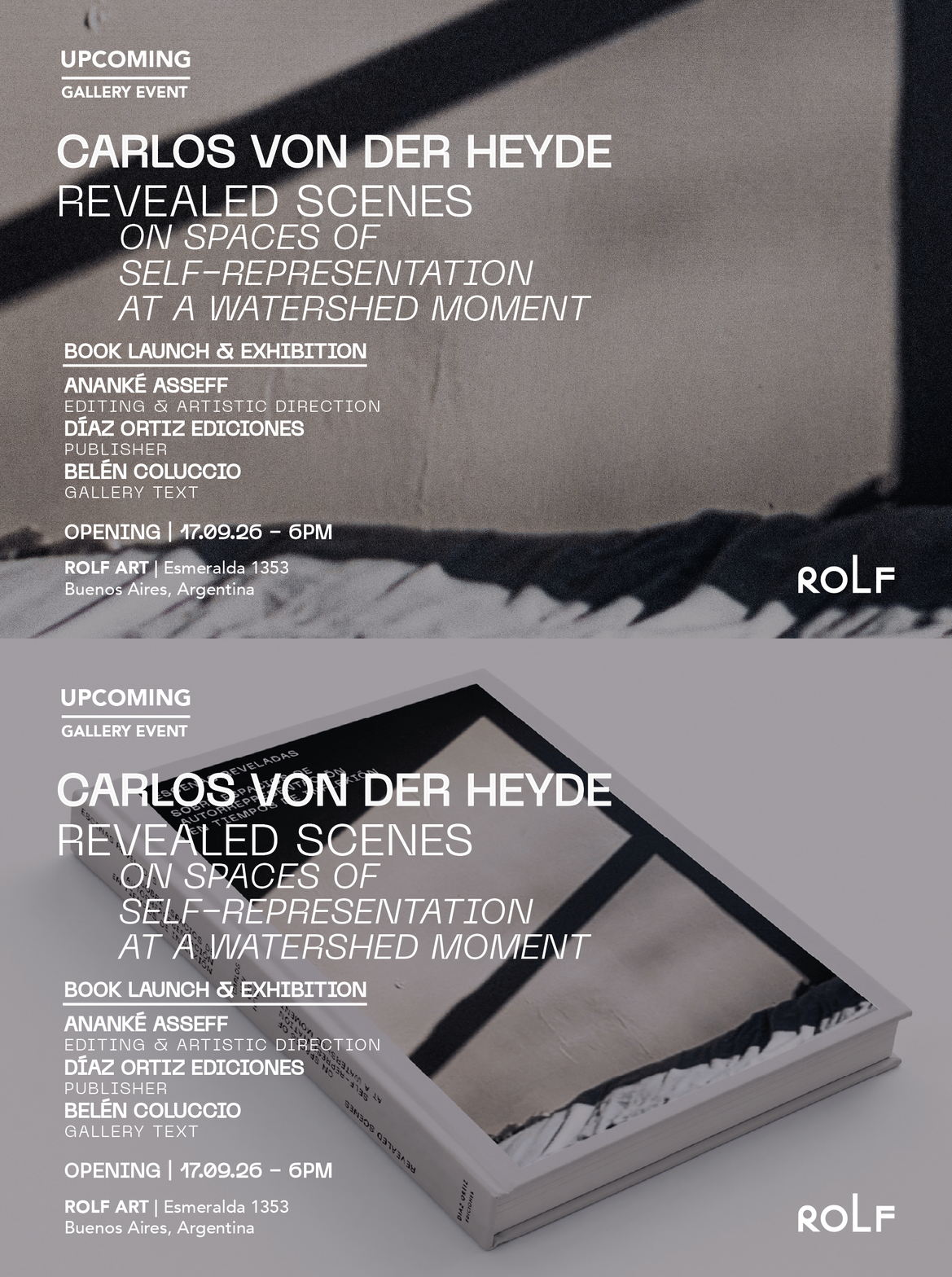
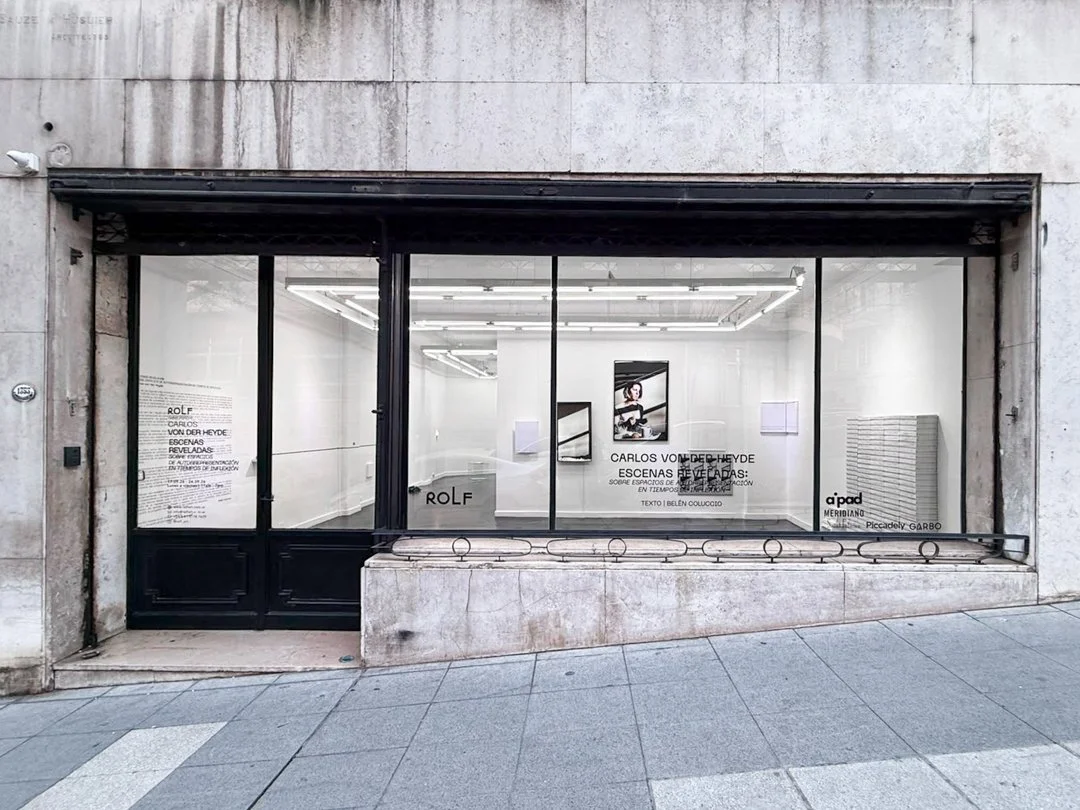
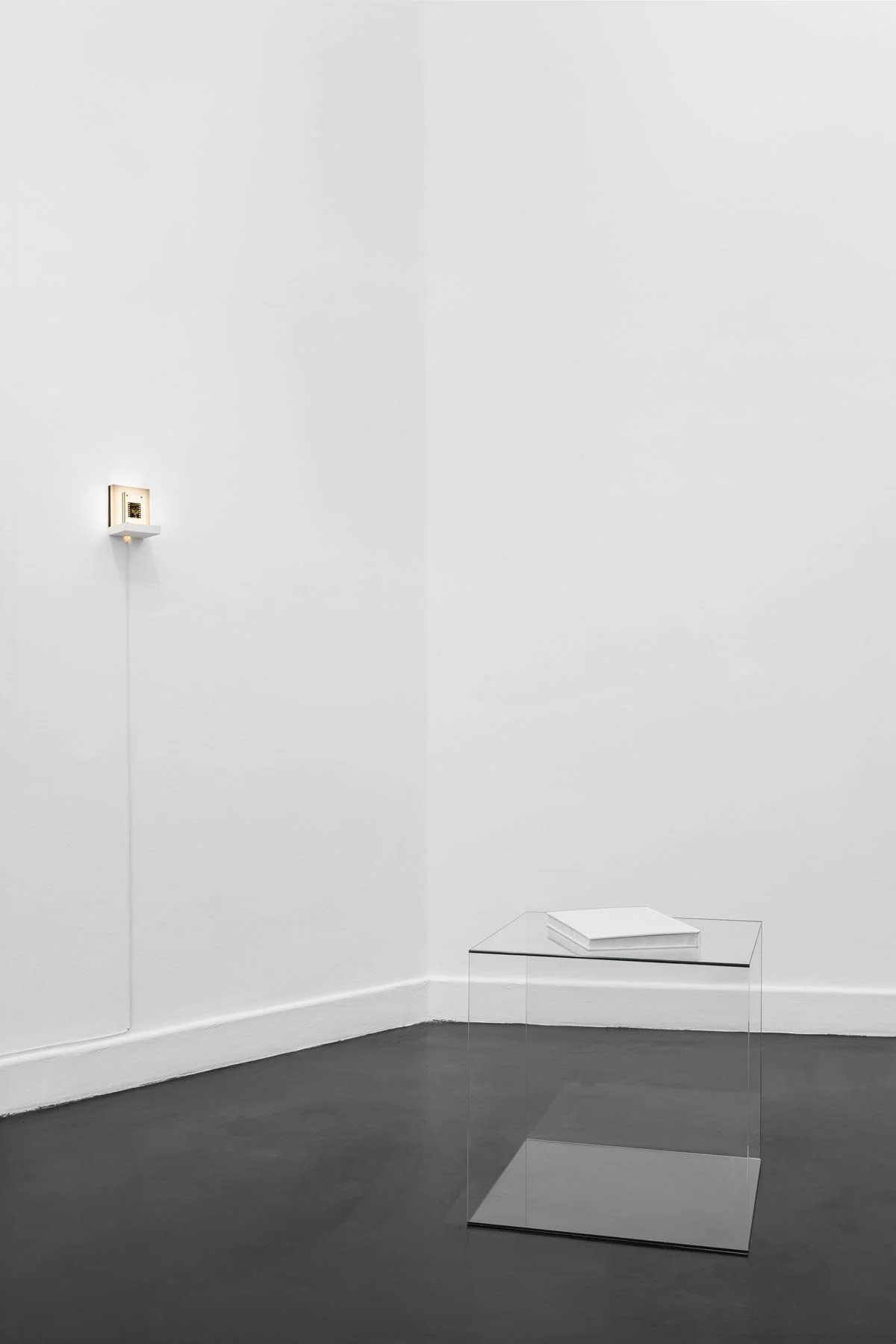
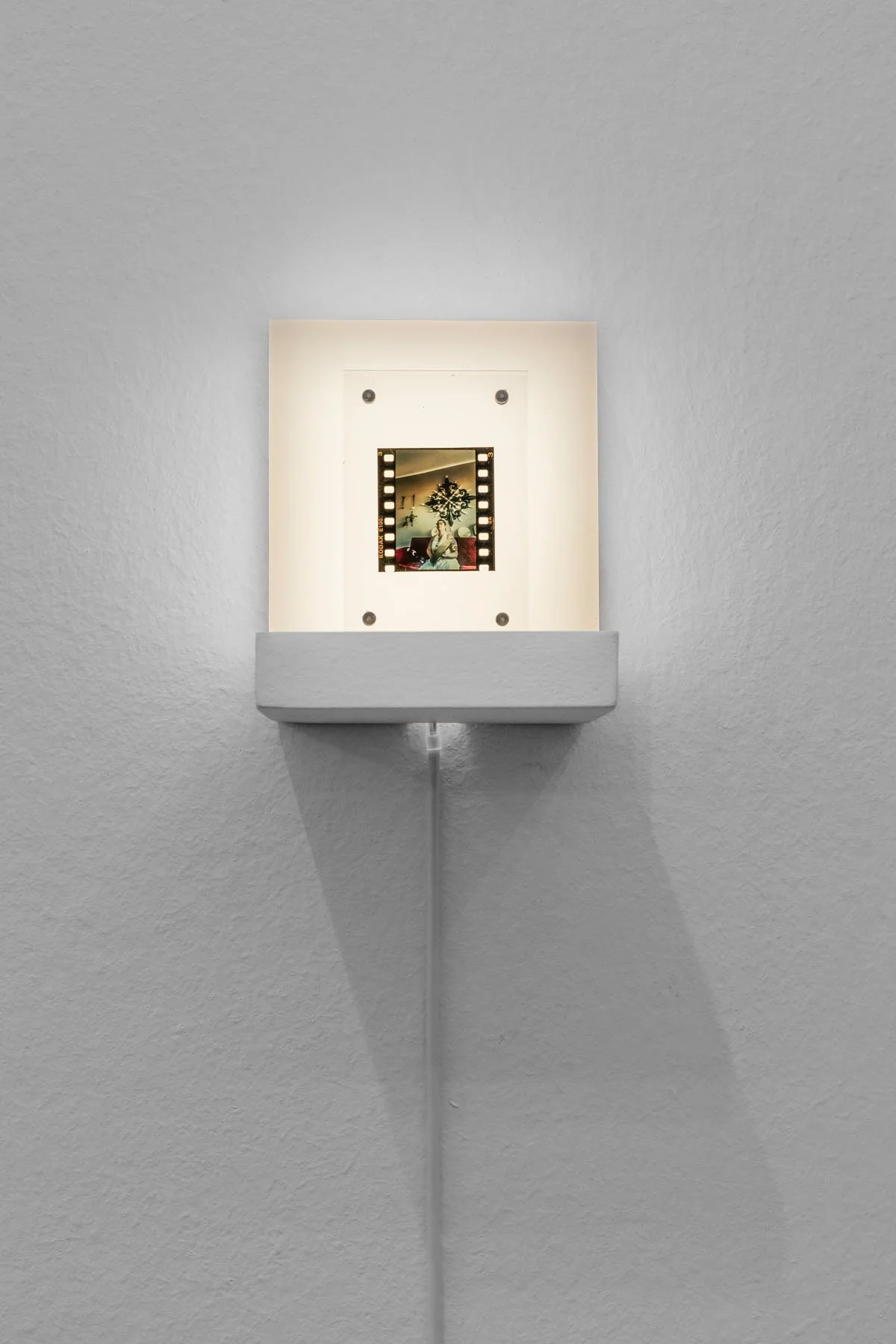
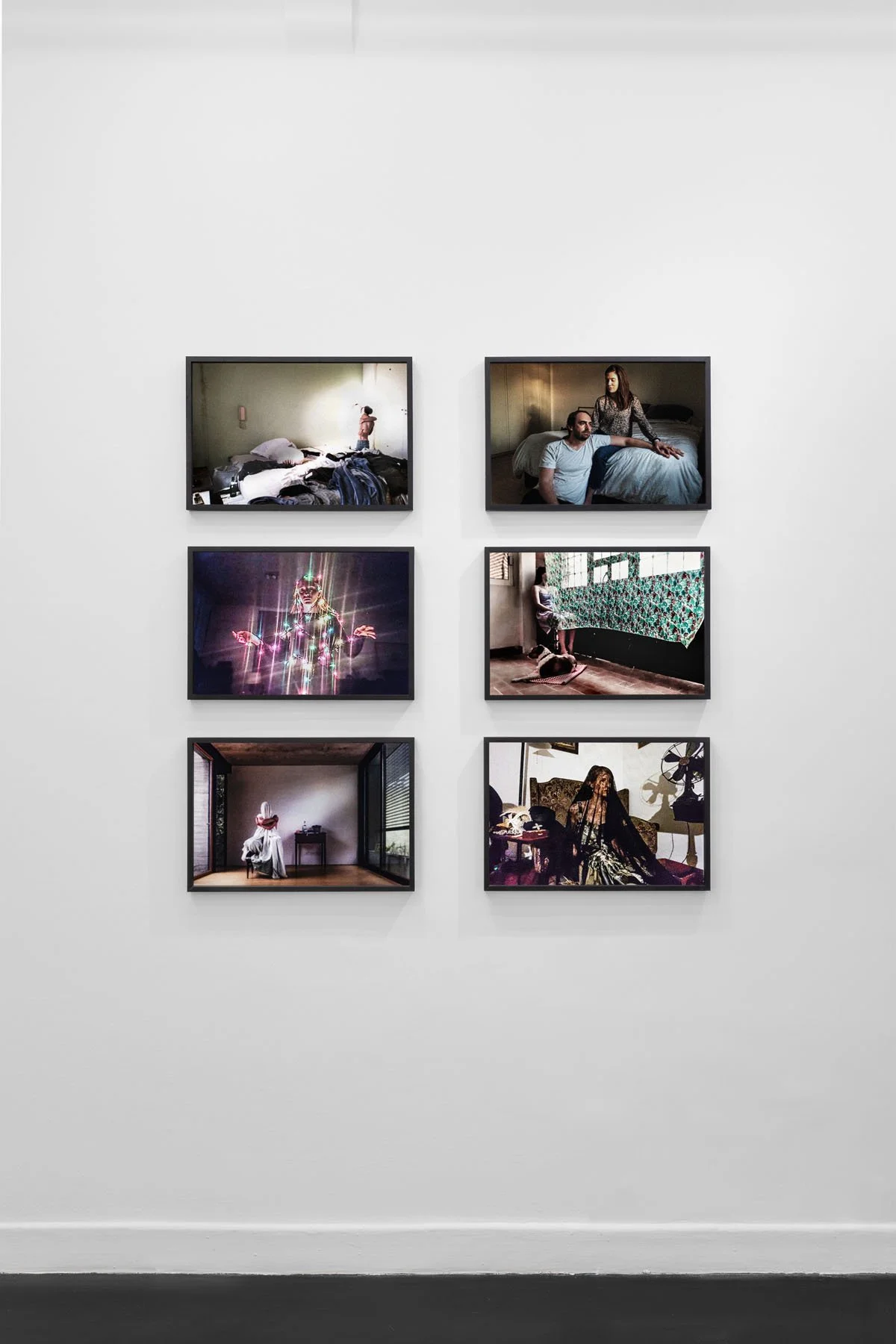
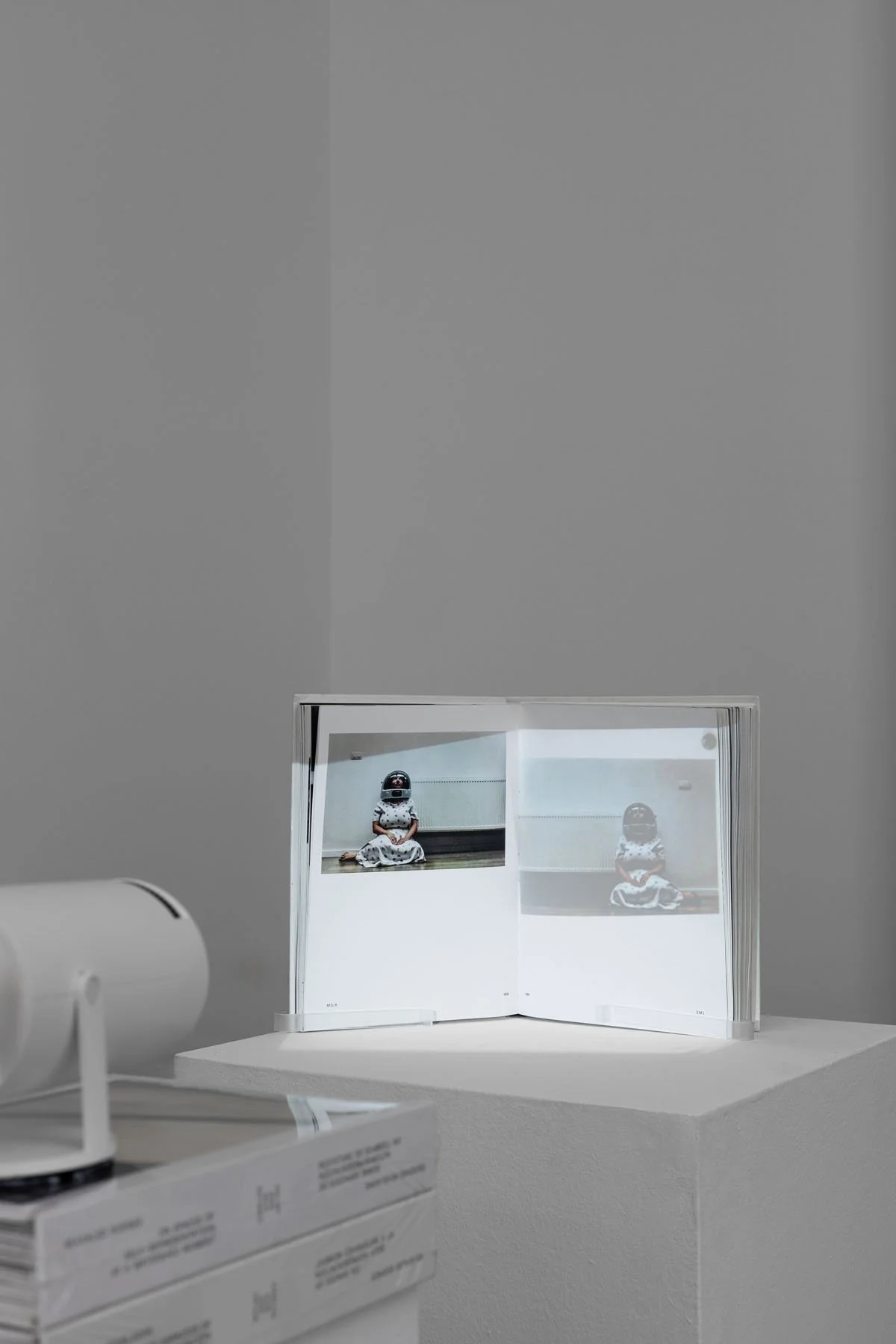
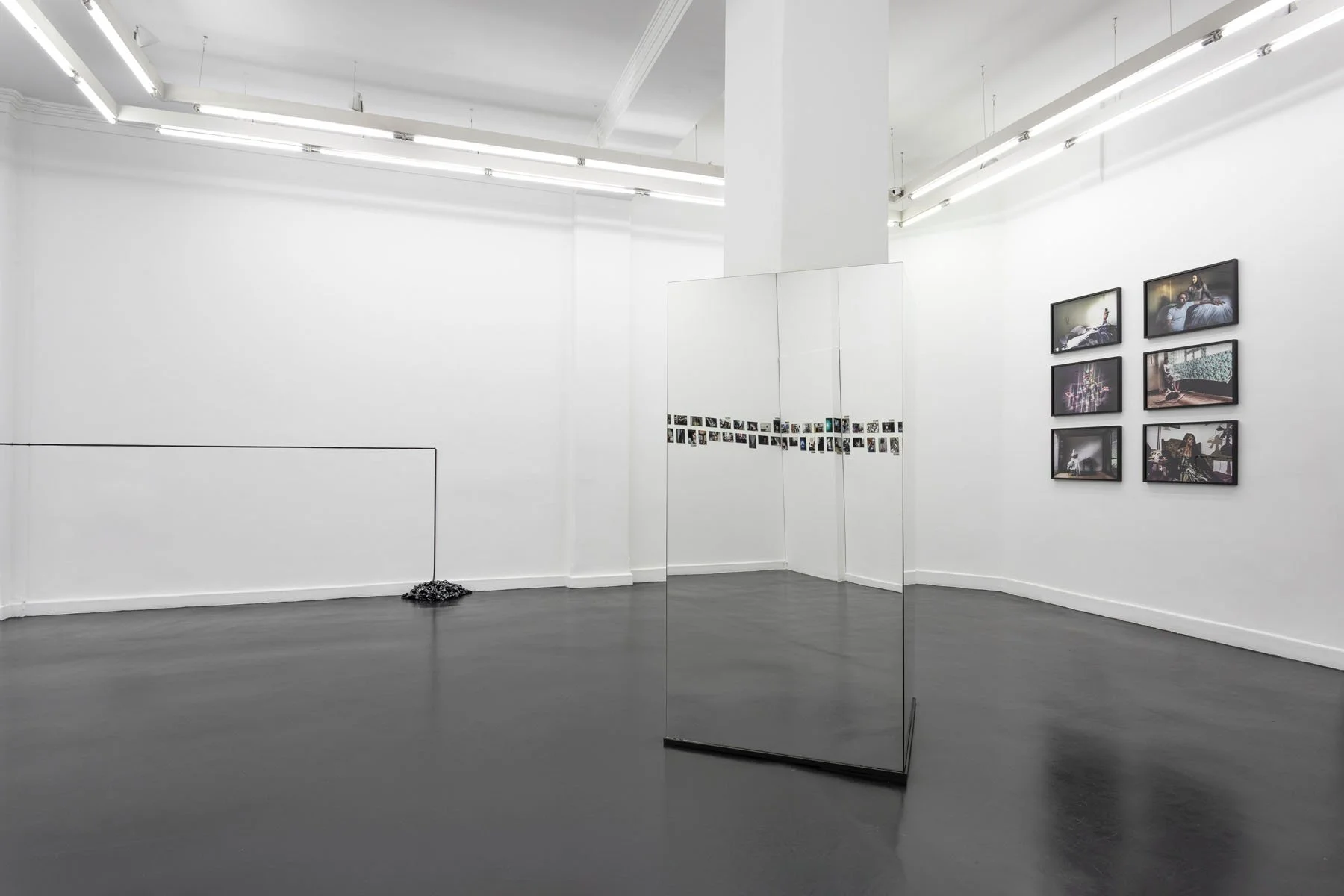
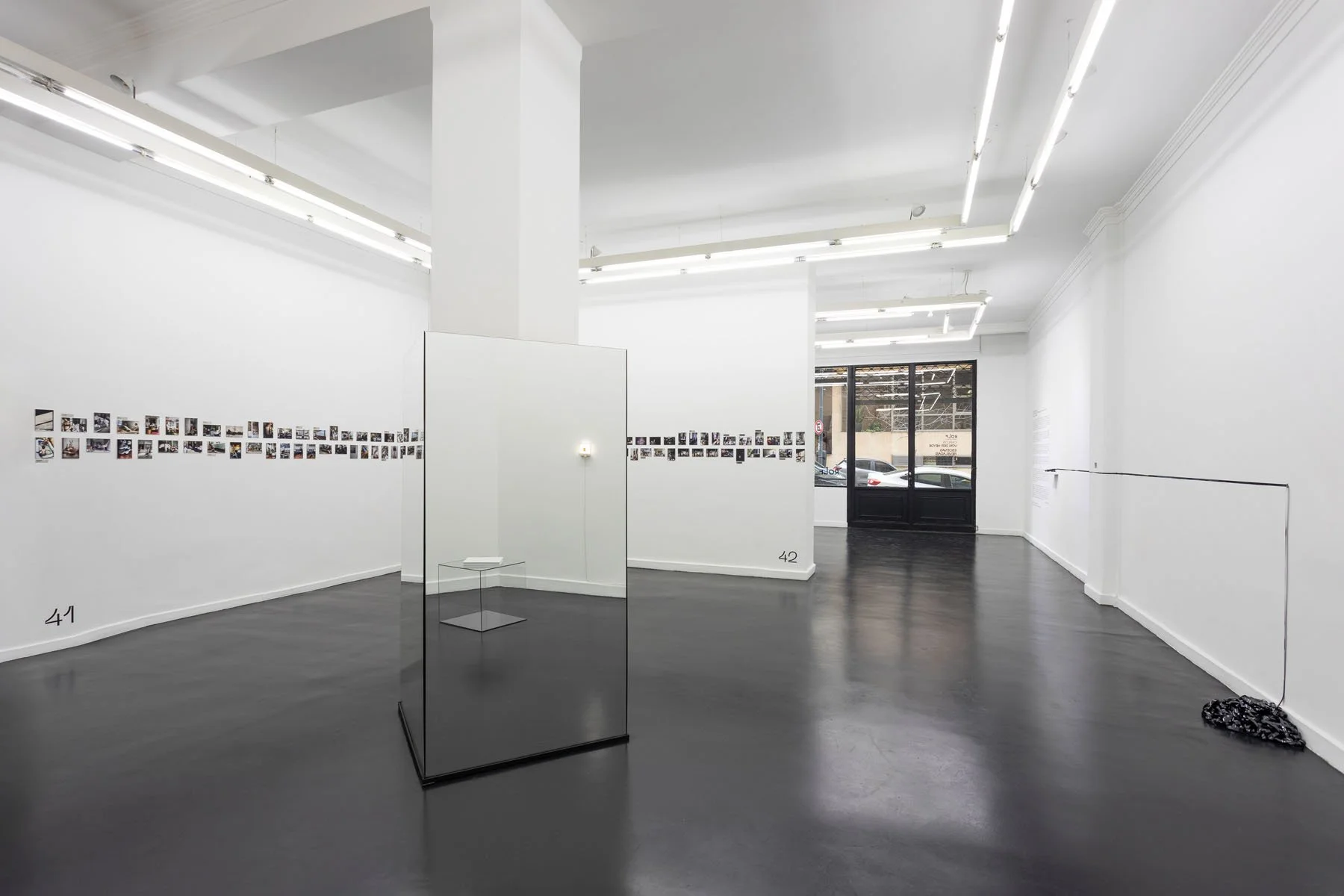
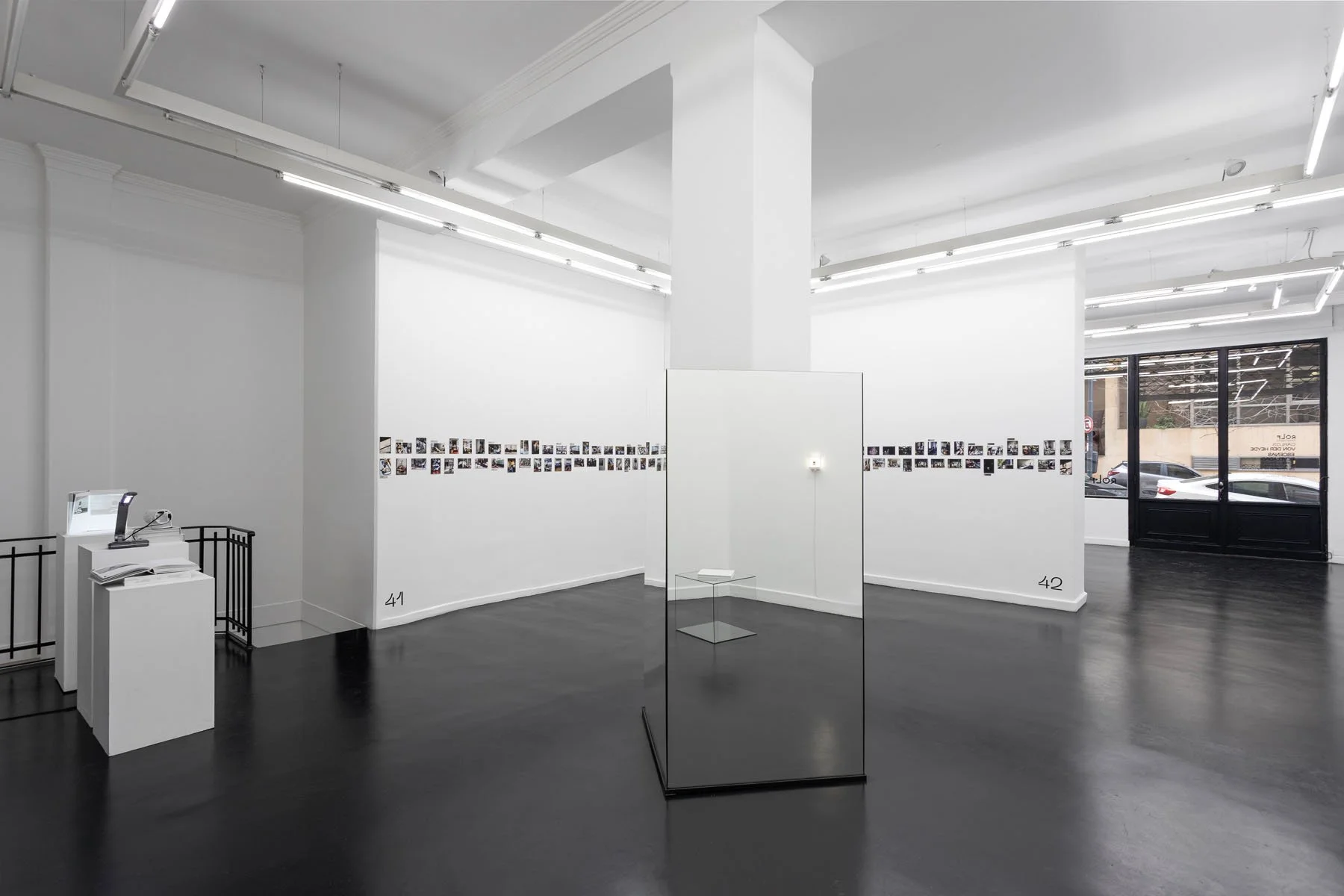
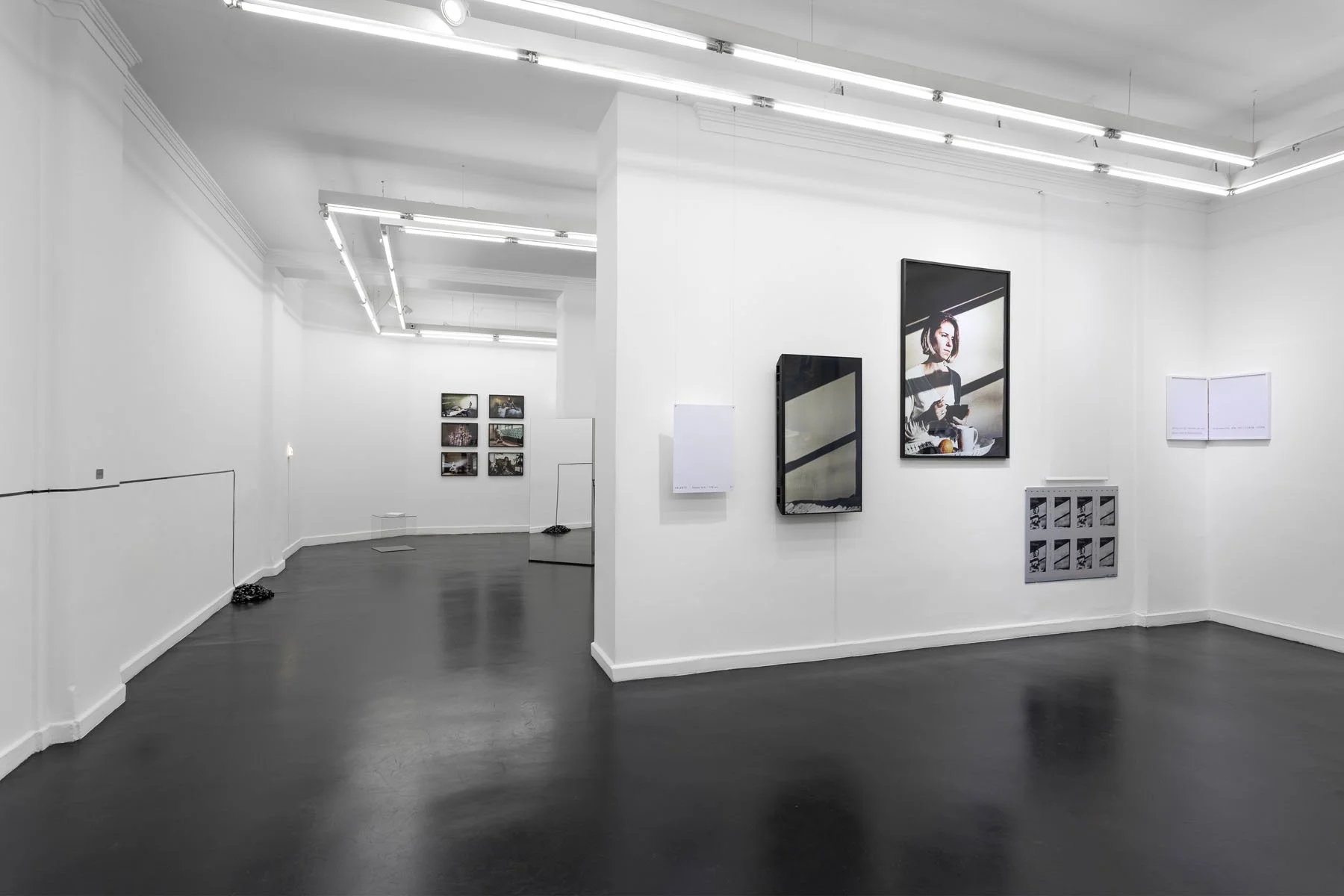
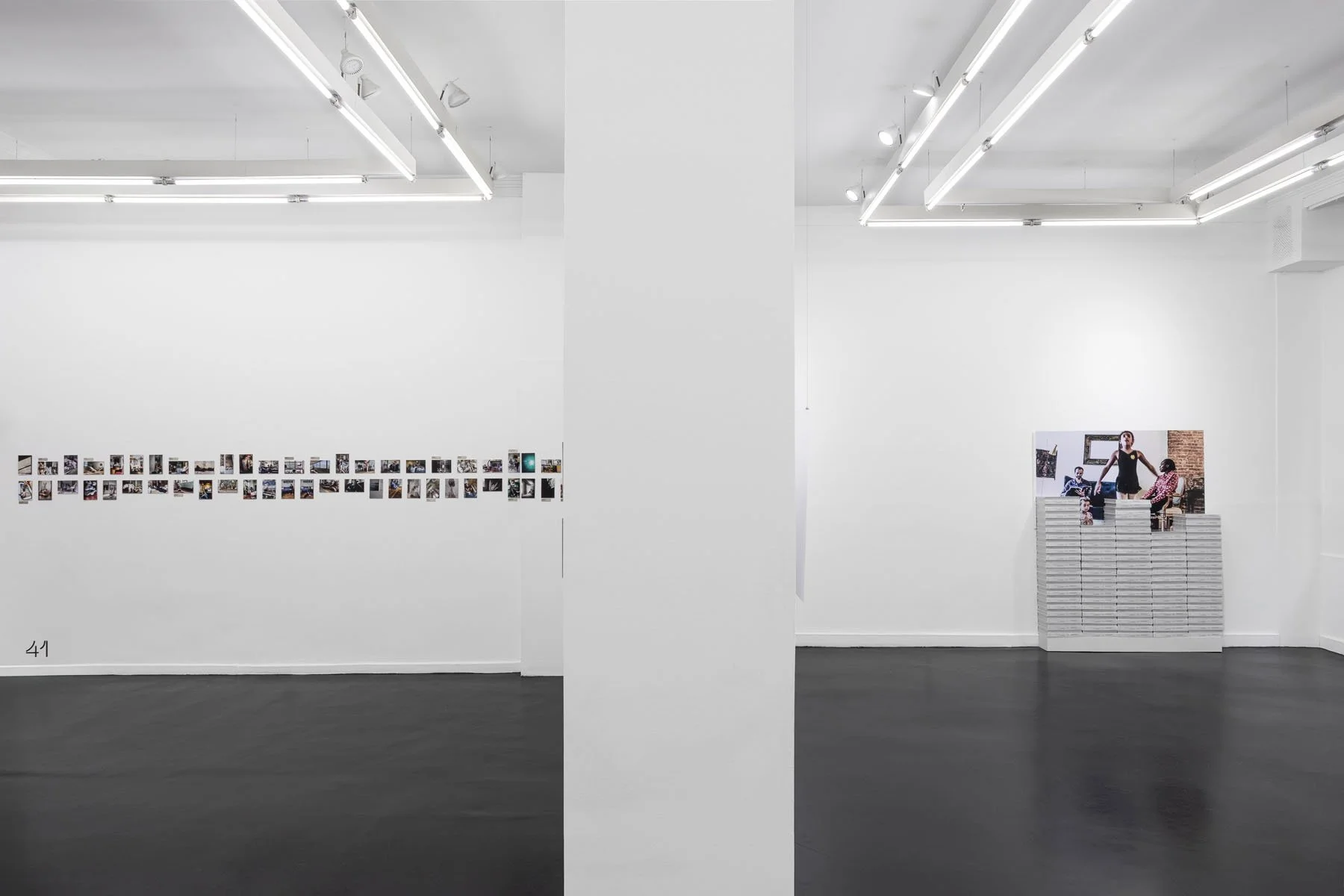
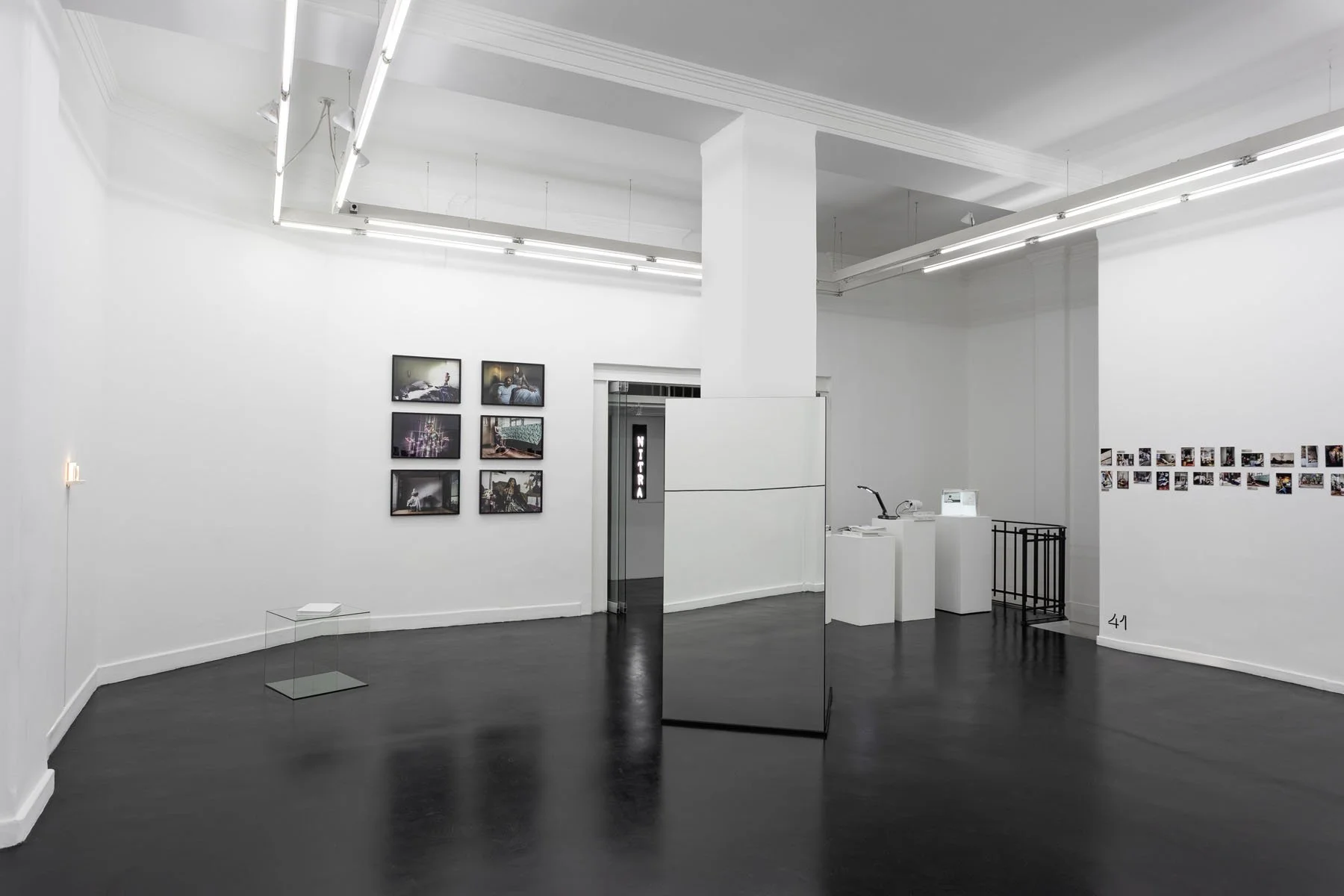
In September 2026, Carlos launched Revealed Scenes: On Spaces of Self-Representation at a Watershed Moment, his first photo book, which was Published by Díaz Ortiz Ediciones and edited and art-directed by Ananké Asseff. The publication was accompanied by an eponymous exhibition at Rolf Art featuring a text by Belén Coluccio.
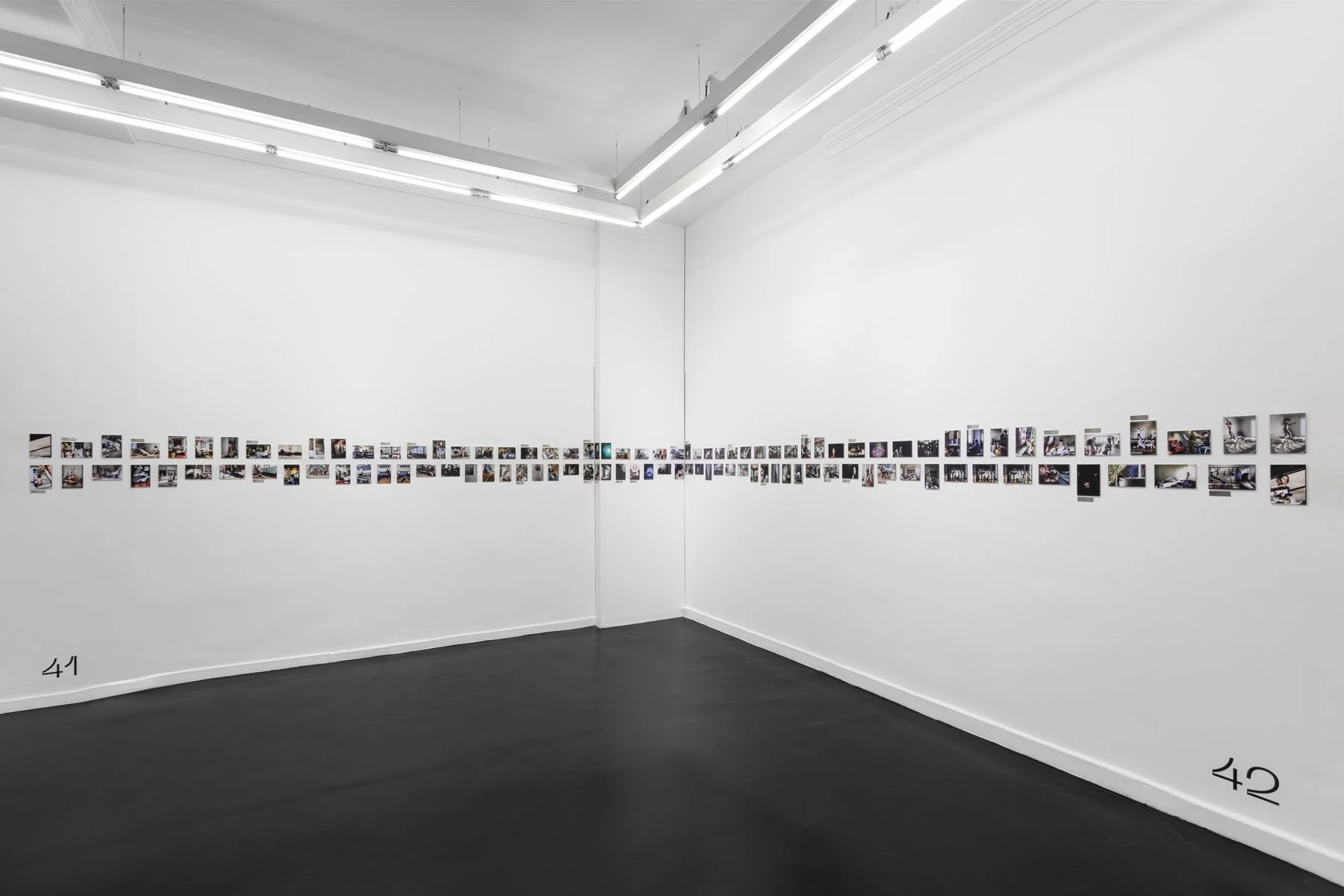
The book explores spaces linked to the emotional, the perceptive, and the intimate that emerged during the global isolation derived from the pandemic beginning in 2020. Through 117 self-represented scenes, created by individuals from 35 countries across 5 continents and photographed remotely via videoconference, each image forms a singular testament of experience in the face of collective uncertainty.
The relational practices and performative exercises that informed the construction of these scenes operated as mechanisms to access unconscious, sensitive, and subjective realms. Indirectly inscribed within the images and testimonies, these relational dynamics open a field of reflection addressing cultural and social critique, the perception of time and reality, the role of technology, and the metaphysical dimension of experience—issues that acquire a renewed urgency in a contemporary moment marked by instability and transformation.
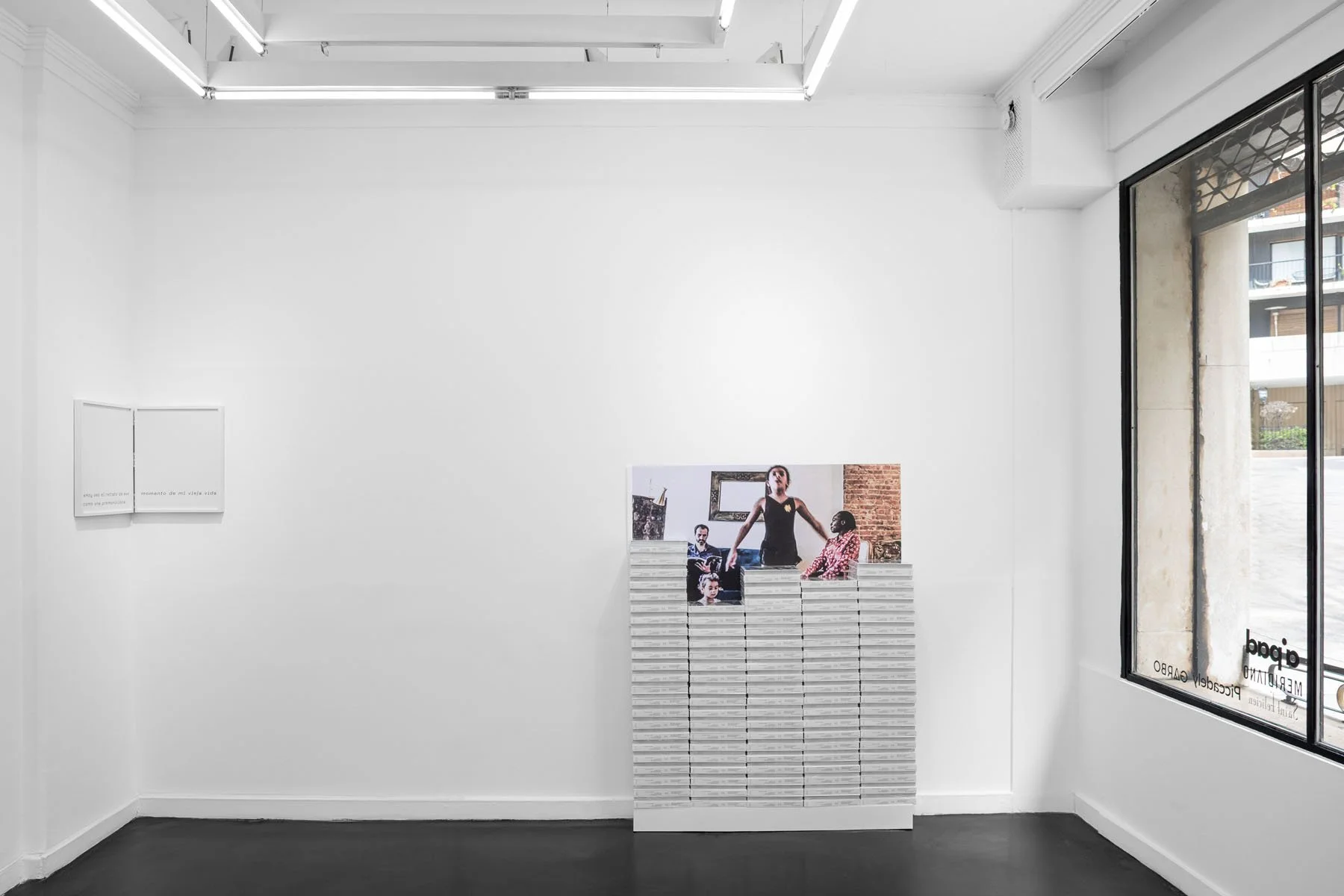
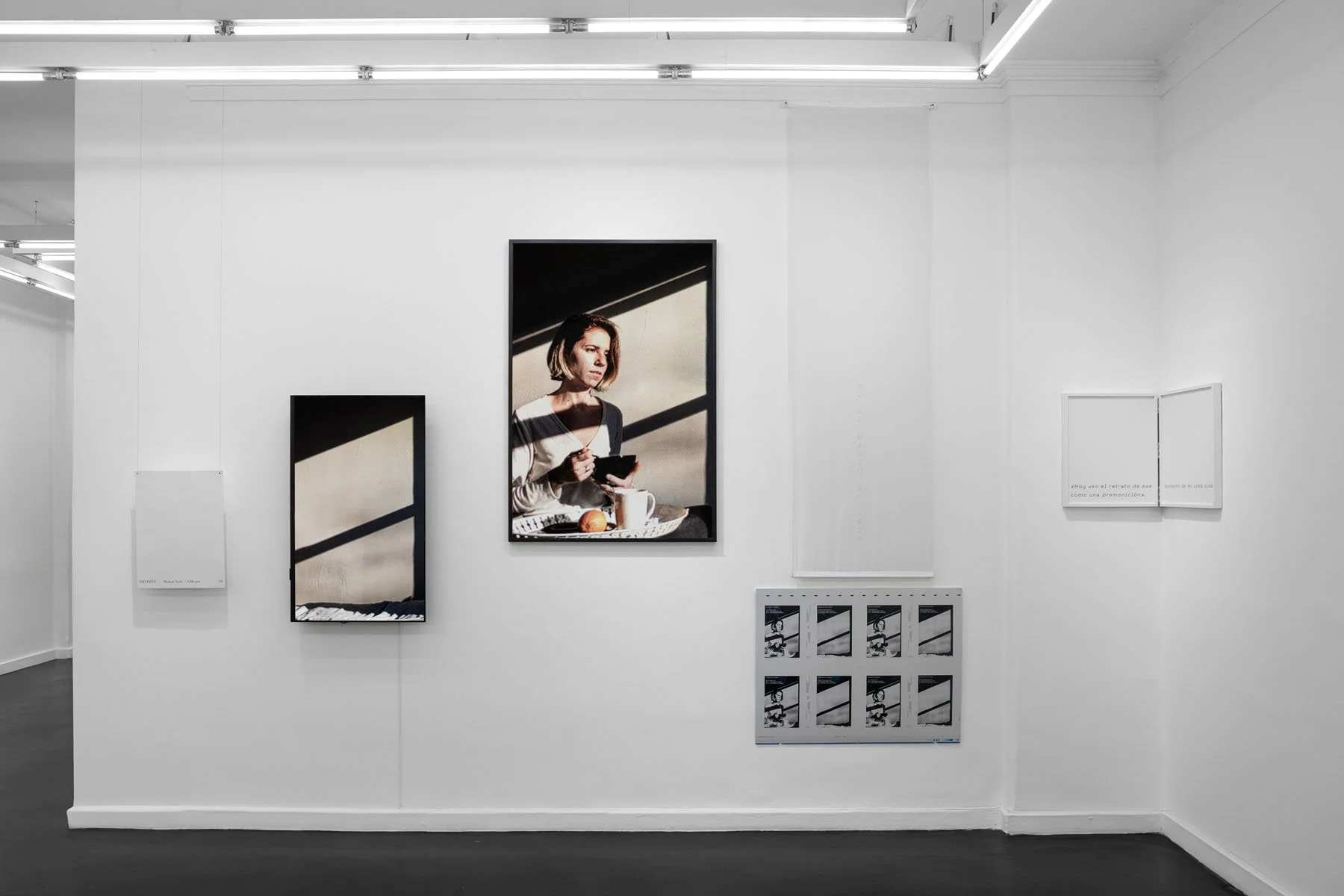
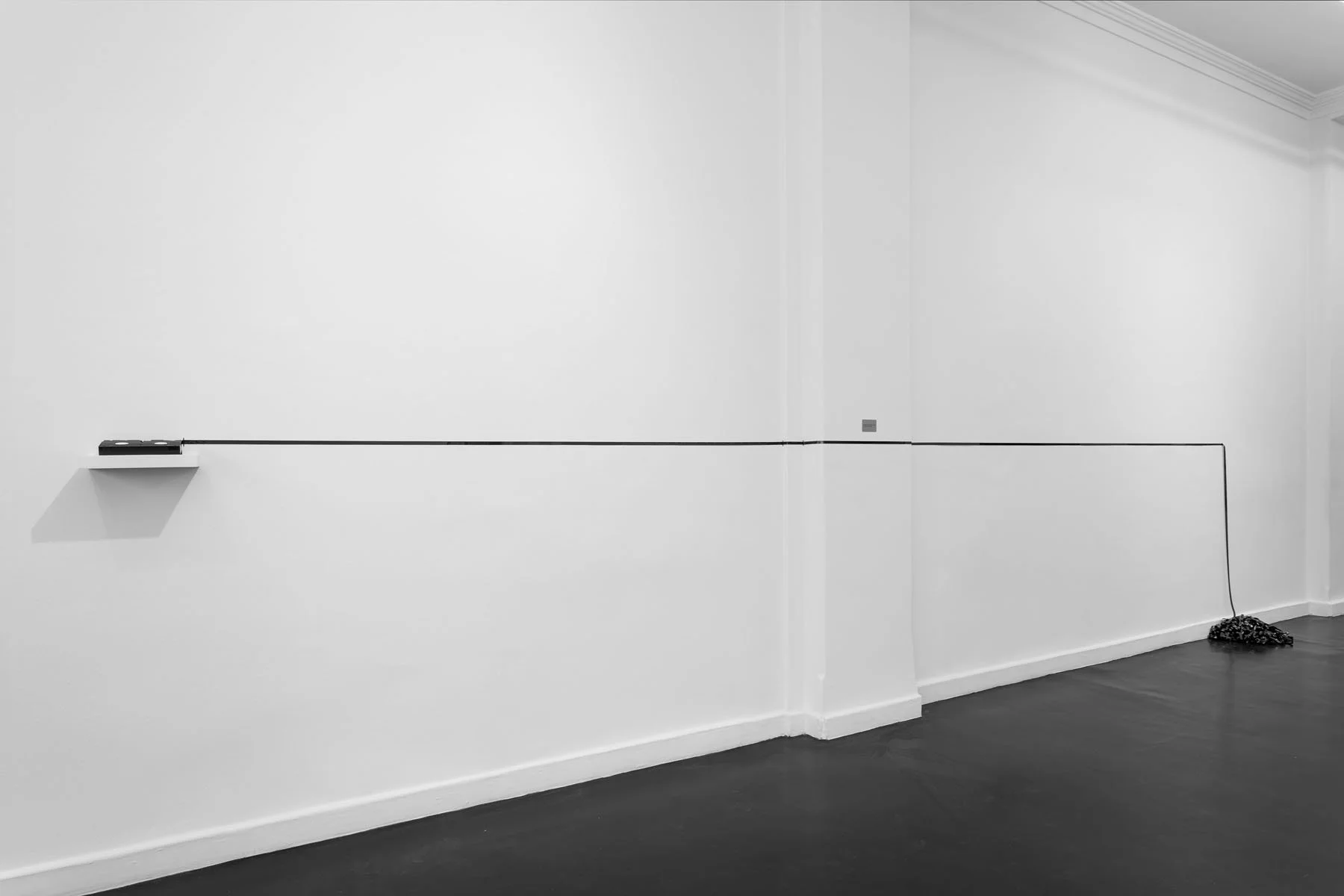
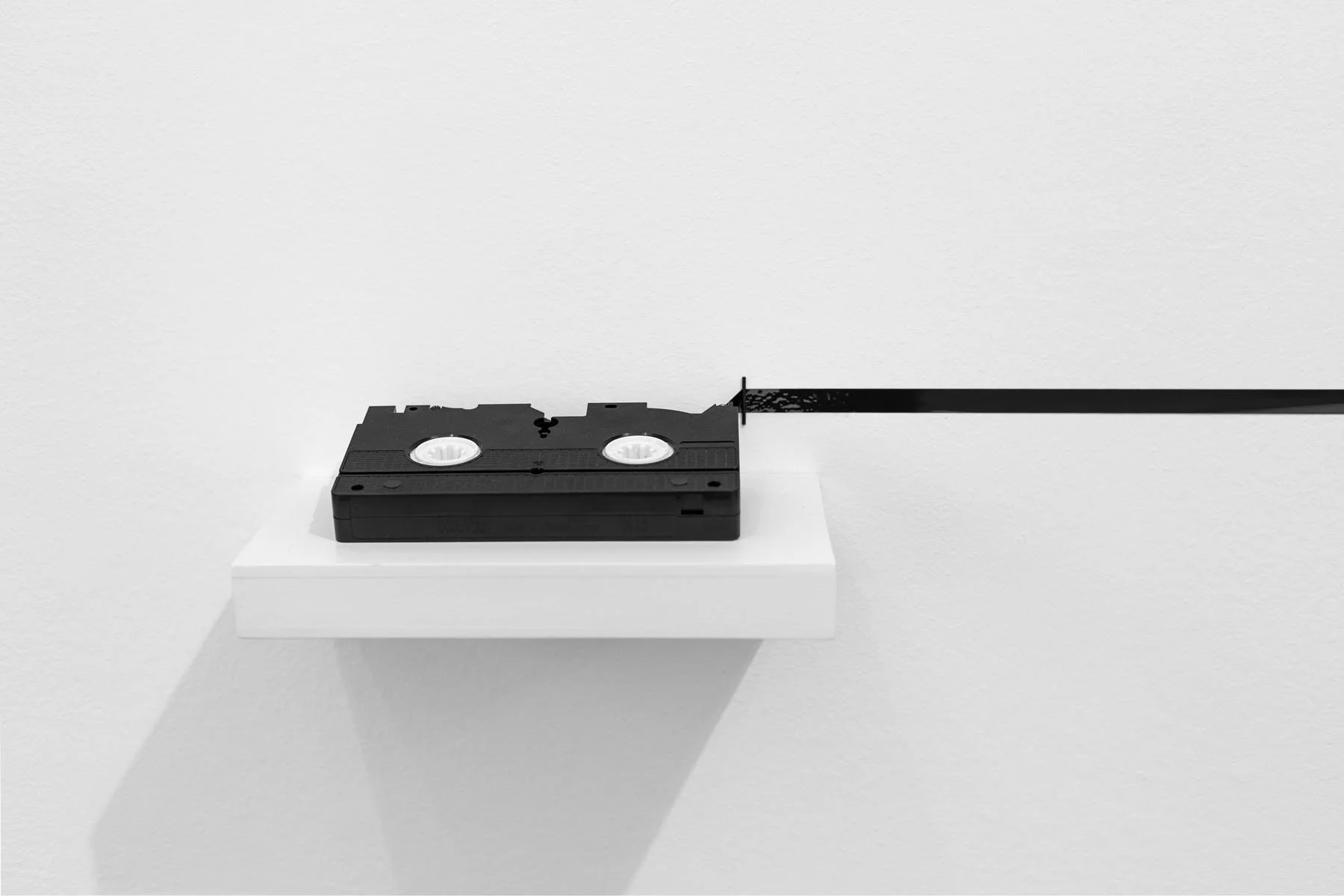
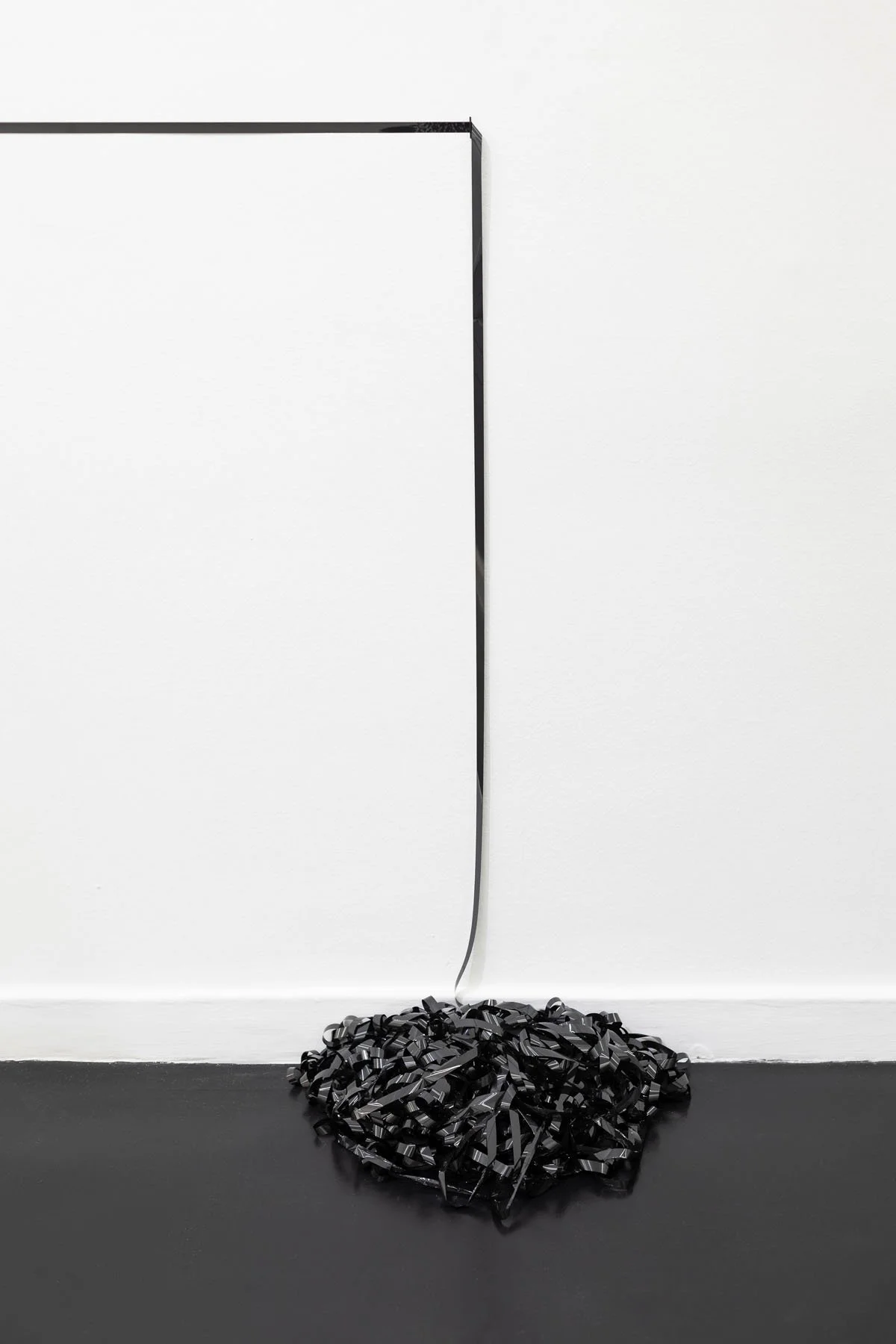
The exhibition constituted an expansion of the book-object into physical space. That reclaimed materiality invited the viewer to enter and delve deeper into the layers of meaning proposed by the work.
Gallery text by Belén Colluccio:
“One of the most sinister tropes reflected back to us by virtual meeting platforms is that of the infinite mirror effect: the cascading multiplication of the screen within itself, and with it, of the user’s face. Perhaps what is most unsettling about this image is its ability to condense the daily experience of a fragmented subjectivity, forcing it to replicate itself across the distinct windows of virtual life—pushing the proliferation of “profiles” for a single face even further than Cubism mapped out.
Carlos von der Heyde seems to have paused before this tunnel of Chinese boxes where the mystery of identity—a notion fallen out of favor, yet central to thought at the turn of this century—might have become lost. Like someone dusting off an ancient relic, he took up his reflex camera to, in some way, break the spell of the screen's abyssal state and restore to the body its capacity for presence.
The project Revealed Scenes gathers 117 portraits, taken via videoconference during the pandemic, of individuals across different ages, professions, and places of residence, alongside the written testimonies they produced a year later upon revisiting their photographs. Both—images and texts—were compiled into a book whose reading is inaugurated in this exhibition, which simultaneously unveils itself as a reflective program on the process of editing and publishing photography.
While the book as a venue for projecting the photographic imagination has been recently explored in specialized exhibitions, von der Heyde playfully inscribes within that realm a deconstruction of the material lifecycle of this object:from the trajectory between different mediums, to the shift of the image toward empty space and the written word.
The work’s resonance is gathered within two hardcover boards and unfolds in the slow turning of the pages. The genre of portraiture, ever returning, does so here along a path where the intimate and the historical intersect. The subtle turning-away of most participants' gazes—an inwardness that suspends the usual economy of digital imagery—is the punctum that reveals the steady rhythm of this global space: beds, curtains, bottles, jeans, armchairs, windows; a shared material culture that manifests alongside the experience of isolation.
The dialogue between von der Heyde and Ananké Asseff at the end of the book guides the reading toward the individuals—their moods, their understanding of their immediate world, their practice of the transcendent. In a complementary gesture, the exhibition directs the gaze toward the casings, toward the frames where the possibility of everything still resides. In that oscillation, the question of representation emerges, addressing not only the status of photography, but the broader dimension of meaning itself. Between image and text, book and exhibition, presence and mediation, the project keeps that transition open without seeking to resolve it.”